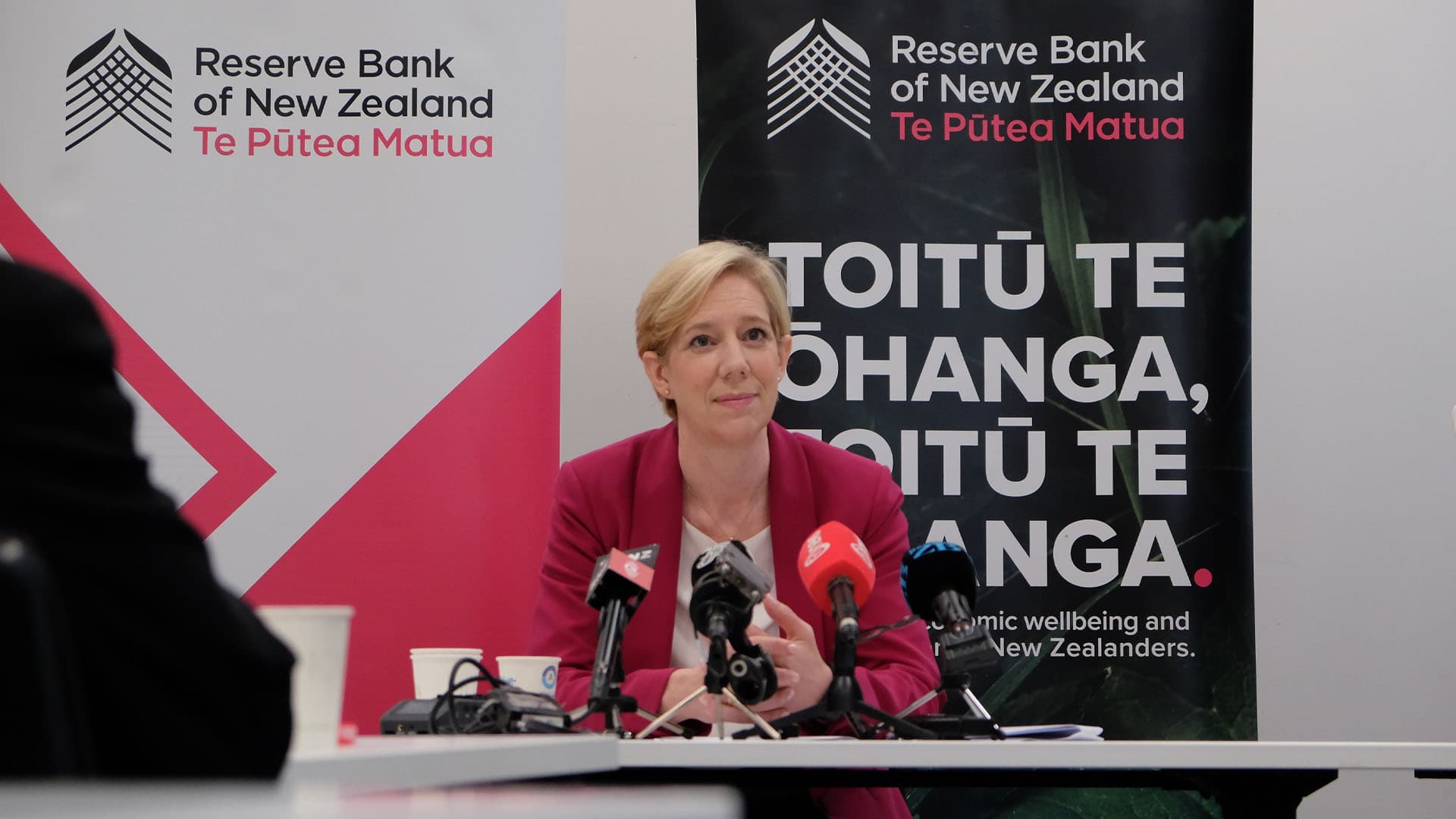
More details of how individual RBNZ Monetary Policy Committee members vote, including disagreements, to be made public
Story Summary
AI



The transparency reforms will specifically kick in when the Monetary Policy Committee cannot reach consensus on Official Cash Rate decisions, with the new charter actively encouraging members to share their individual views publicly. This marks a departure from the current practice where disagreements are acknowledged but individual positions remain anonymous.
The initiative represents part of Governor Anna Breman's broader transparency agenda that has already seen the introduction of press conferences at Monetary Policy Reviews and increased public outreach and external communications. The reforms are designed to align New Zealand's central bank with the world's most transparent monetary policy institutions, giving the public unprecedented insight into the decision-making process that directly determines borrowing costs across the economy.
The Reserve Bank of New Zealand is implementing a major transparency reform that will see individual Monetary Policy Committee members' views and voting positions on Official Cash Rate decisions made public for the first time. Under a new charter agreed between the MPC and Finance Minister Nicola Willis, meeting minutes will now disclose not only how each member voted on interest rate changes, but also their individual rationales and reasoning, even when the committee reaches unanimous decisions.
This represents a significant shift from the current system, where the Reserve Bank only reveals if members voted differently without identifying specific positions or individual reasoning. The change is part of a broader transparency push by Reserve Bank Governor Dr Anna Breman, who has signalled this commitment since her appointment in September last year. Other reforms include increasing monetary policy meetings from seven to eight times per year, with the OCR currently sitting at 2.25% and the next review scheduled for May 27.
The transparency initiative aims to bring New Zealand's central bank in line with some of the world's most open monetary policy institutions, enhancing public accountability and understanding of interest rate decisions that directly affect mortgage rates, borrowing costs, and broader economic conditions across the country.
AI-generated summaries from source articles. Updated as new sources are added.
Source Coverage
Reserve Bank to lift veil on interest rate decisions
Its influential rate-setting body is improving its transparency in a move that will see members' voting decisions made public.
Read on RNZ→
Reserve Bank to start disclosing individual Monetary Policy Committee members’ views on OCR decisions in transparency push
Governor Anna Breman wants the Reserve Bank to be more transparent.
Read on Herald→
Major change coming to Reserve Bank's OCR decisions
Reserve Bank governor Dr Anna Breman said the agreement to update the committee's charter is part of a wider effort to increase transparency at the Reserve Bank.
Read on 1News→More details of how individual RBNZ Monetary Policy Committee members vote, including disagreements, to be made public
Reserve Bank’s Monetary Policy Committee to have votes made public when consensus over Official Cash Rate decisions isn’t reached, members encouraged to share individual views as new charter comes into effect
Read on Interest→